Jiu Jitsu World League
Increasing engagement in Jiu Jitsu tthrough gamified digital experiences
Increase repeat engagement beyond tournament registration.
Project summary
CloseIncreasing engagement in Jiu Jitsu tthrough gamified digital experiences
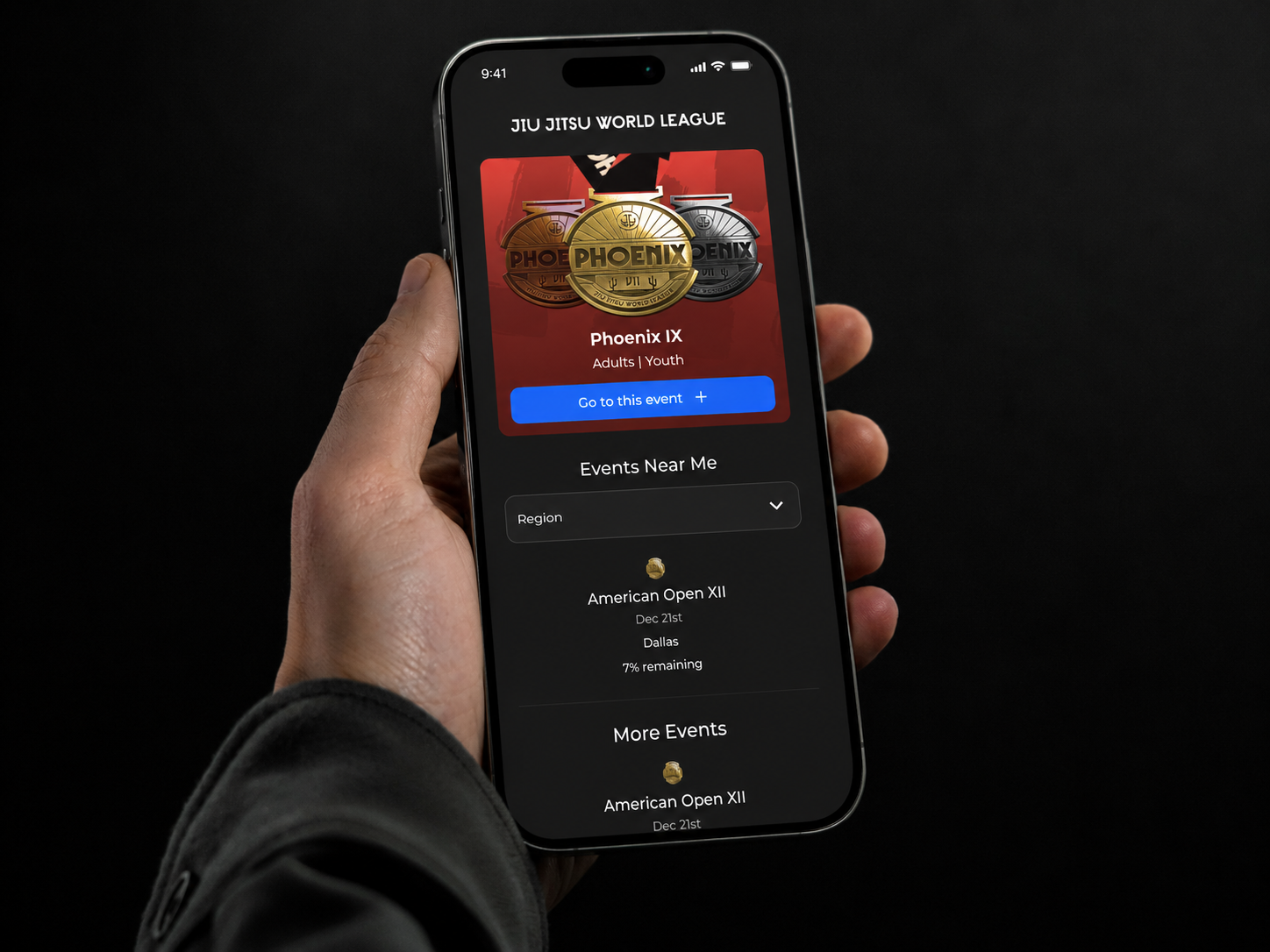
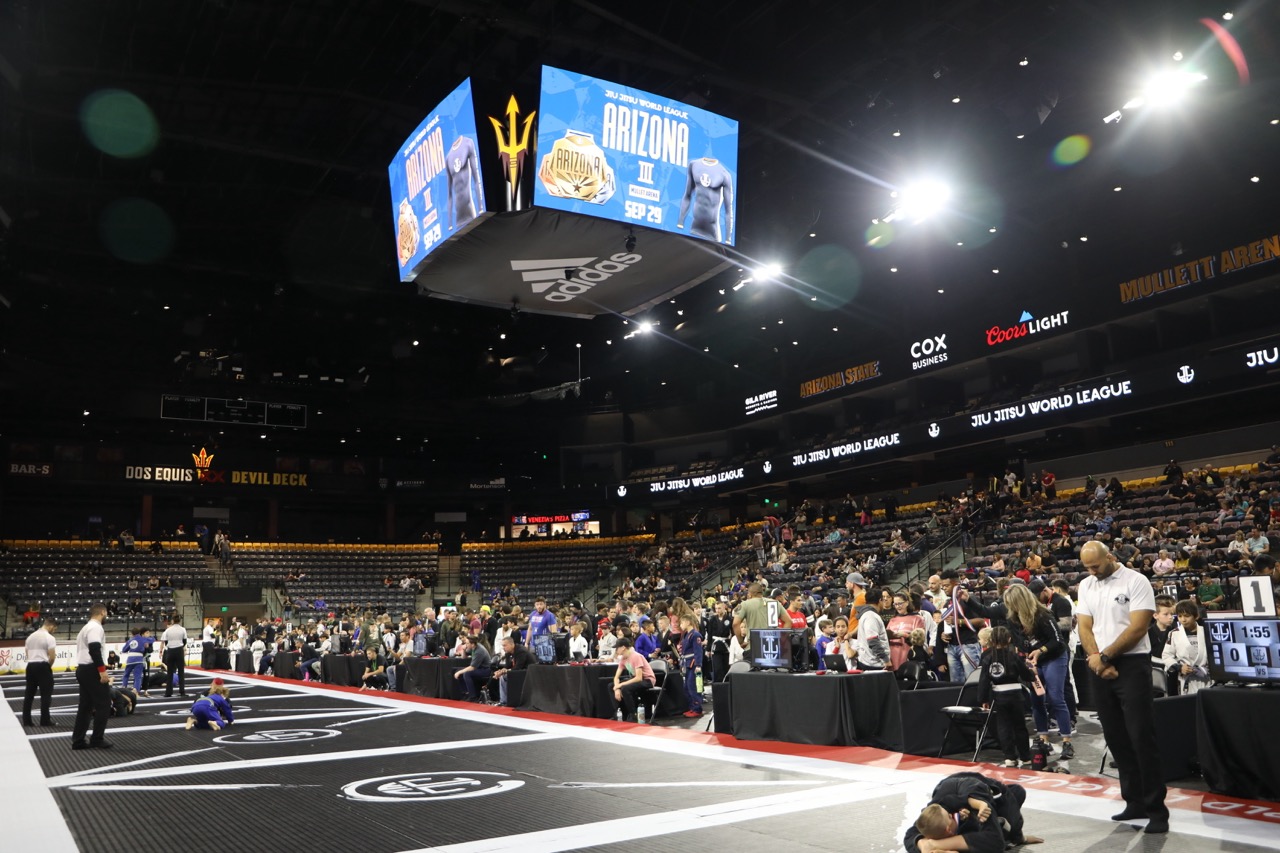
JJWL hosts thousands of competitors across North America every year. While tournaments generated strong engagement, most interactions with the platform happened only around registration. We saw an opportunity to transform the platform into something players would actively return to throughout the season.
The Challenge
How might we encourage players to return to the platform between tournaments while strengthening their connection to the league, their academy and their personal progression?
The platform already solved tournament logistics, but it didn't provide enough reasons for players to stay engaged throughout the season.
We wanted to create an experience that would:
- Encourage repeat visits beyond tournament registration.
- Reinforce player identity and personal progression.
- Celebrate participation, not just tournament victories.
- Increase long-term engagement across the season.
- Strengthen the connection between players, academies and the league.
- Create new opportunities for future business initiatives without disrupting the existing experience.
What We Already Knew
Years of organizing tournaments had given us a deep understanding of its community.
Rather than starting with assumptions, we relied on recurring patterns observed by tournament organizers, coaches and academy owners.
We consistently observed that players valued:
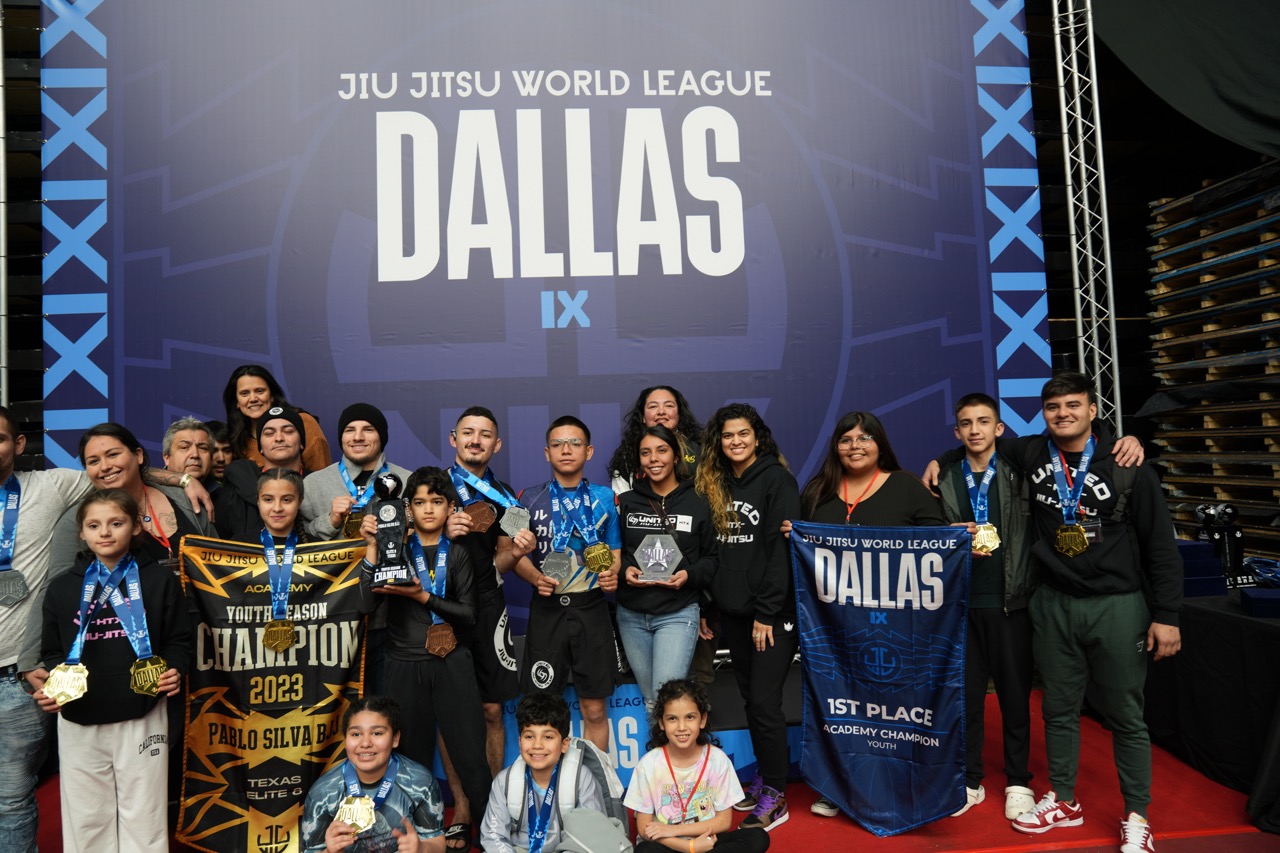
- Collecting medals and trophies.
- Commemorative tournament merchandise.
- Recognition within their academy.
- Showing achievements to friends and teammates.
- Representing their gym with pride.
- Building a visible competitive history over time.
Instead of inventing entirely new behaviours, we focused on reinforcing motivations that already existed offline.
Design Principles
Every decision was guided by a small set of behavioural principles rather than individual features.
Make progression visible
Players should always understand where they are in their competitive journey.
Celebrate participation
Recognition shouldn't belong only to tournament winners.
Strengthen identity
Player profiles should become something competitors feel proud to share.
Encourage return visits
The platform should provide value even when players weren't actively registering for tournaments.
Promote healthy competition
Competition should motivate players while remaining appropriate for younger athletes and family-oriented events.
The Solution
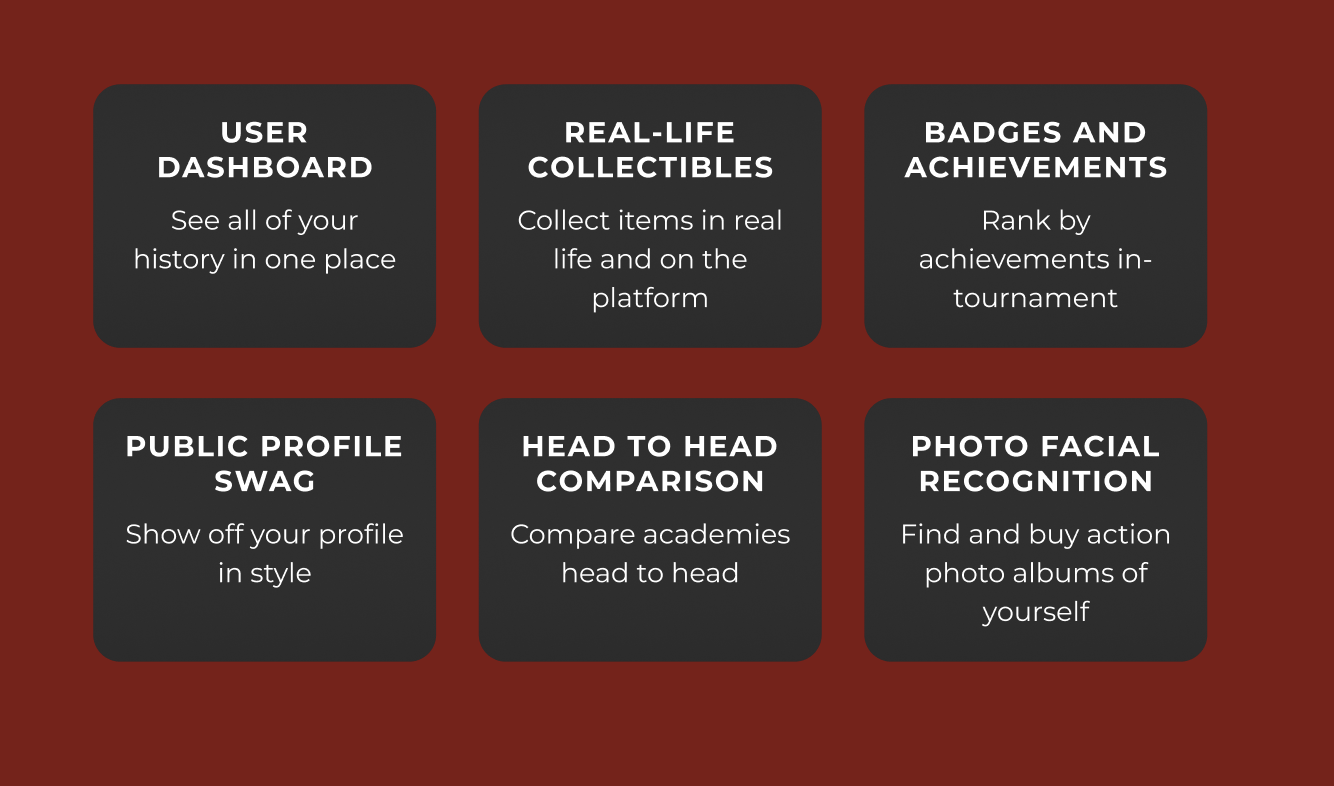
Instead of designing isolated gamification features, we created an engagement ecosystem where every feature reinforced another.
Player Dashboard
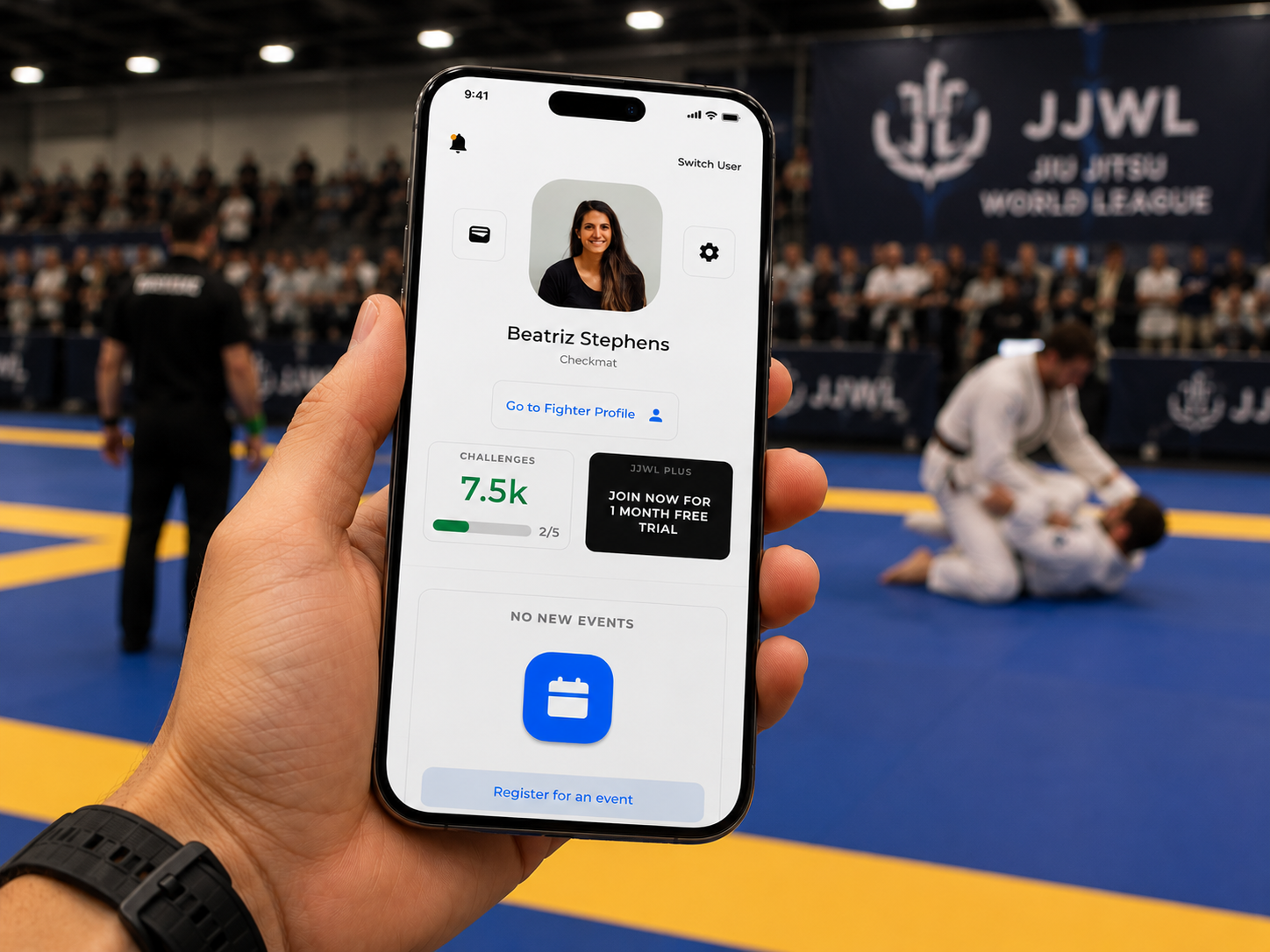
A personalized home for each competitor.
The dashboard helped players:
- Track achievements and milestones.
- View tournament history.
- Display collectibles.
- Discover upcoming events.
- Understand their overall progression.
Achievement System
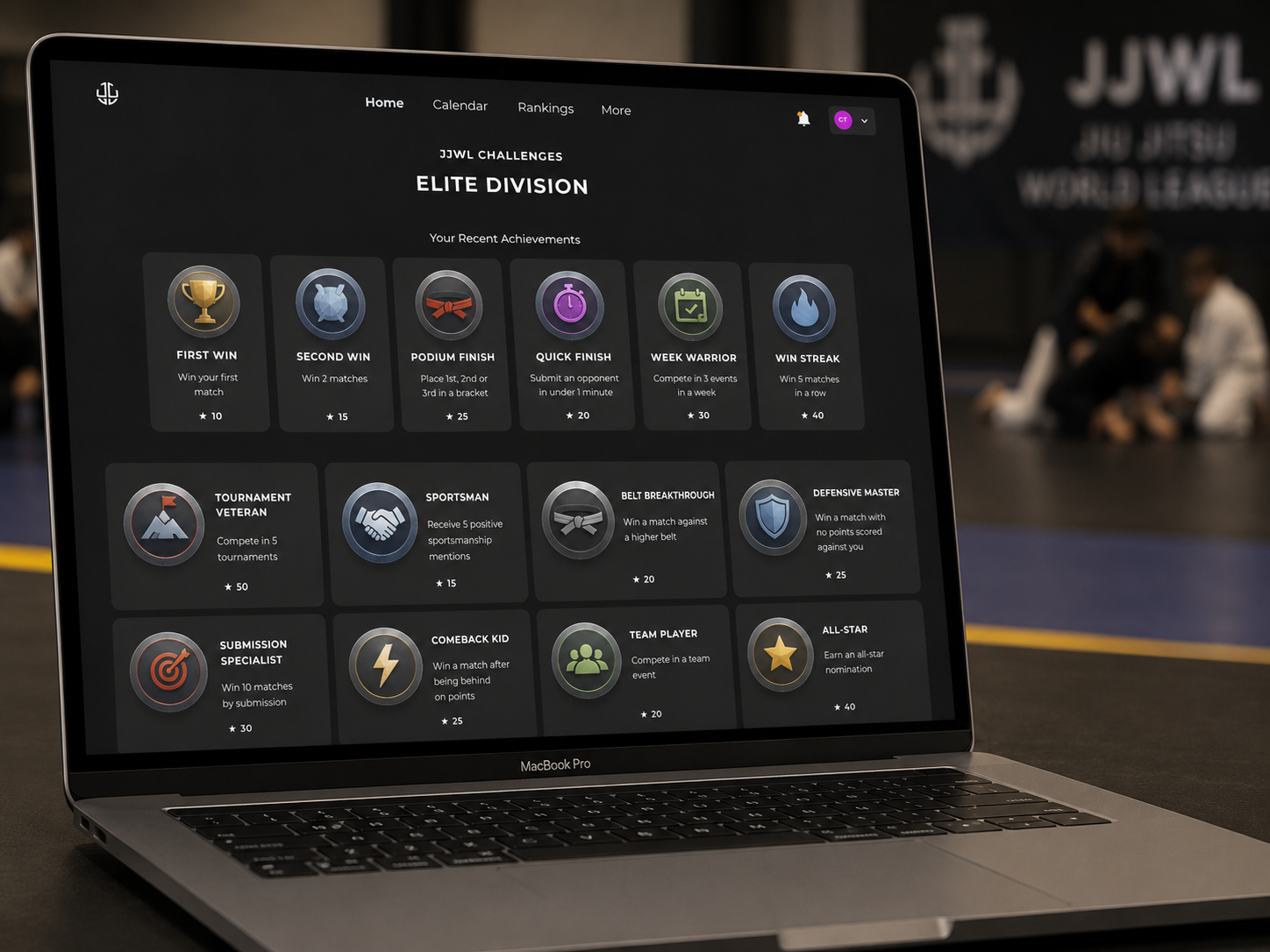
Achievements rewarded meaningful participation beyond winning medals.
Examples included:
- Tournament participation.
- Consecutive attendance.
- Milestone accomplishments.
- Community involvement.
- Progress across the season.
The objective wasn't simply rewarding activity, but reinforcing behaviours that strengthened long-term engagement.
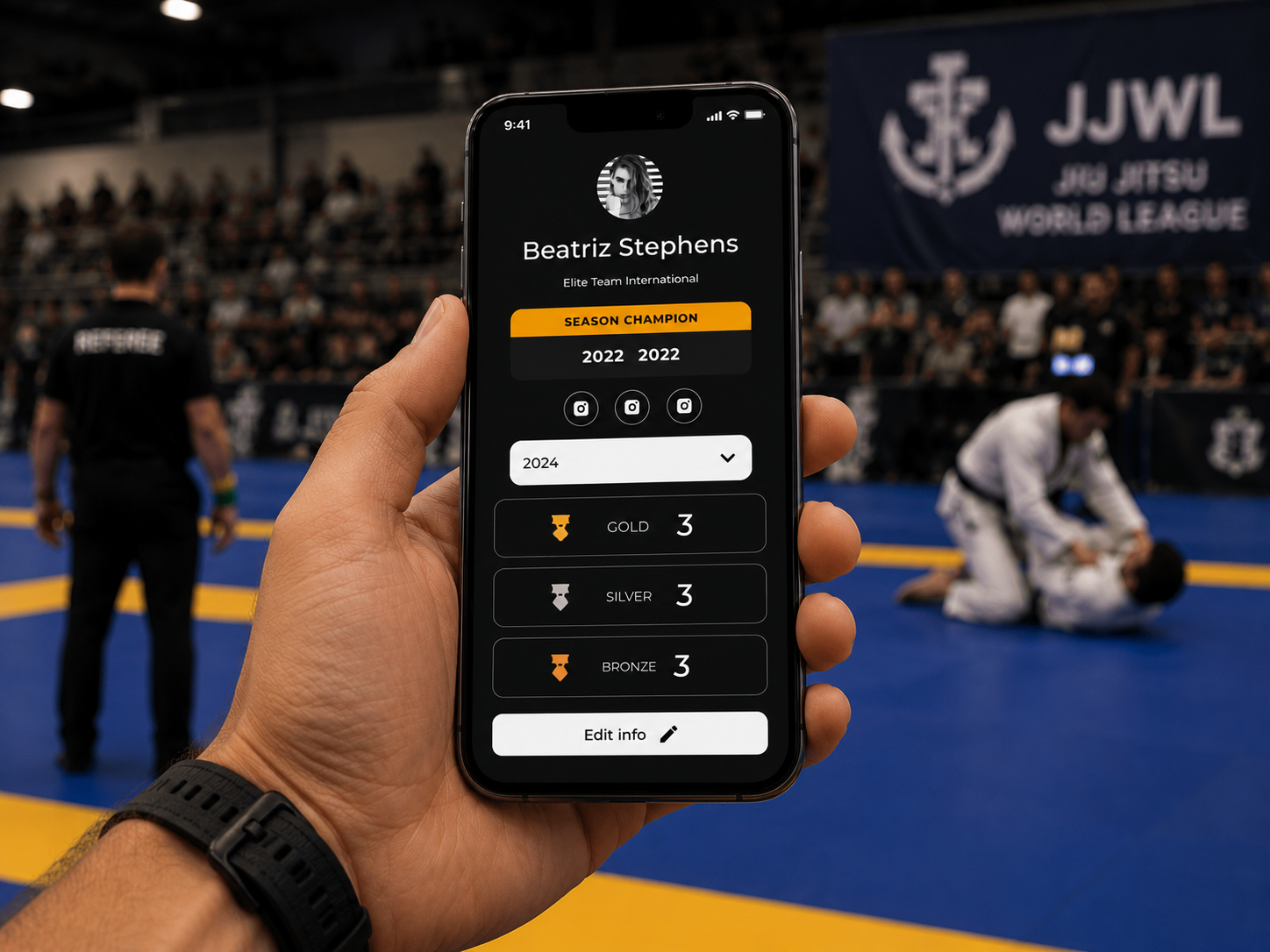
Public Player Profile
The profile evolved into a public representation of a player's journey.
It combined:
- Tournament history.
- Achievement badges.
- Rush Card collections.
- Academy affiliation.
- Personal milestones.
The profile became something players could proudly share with others.
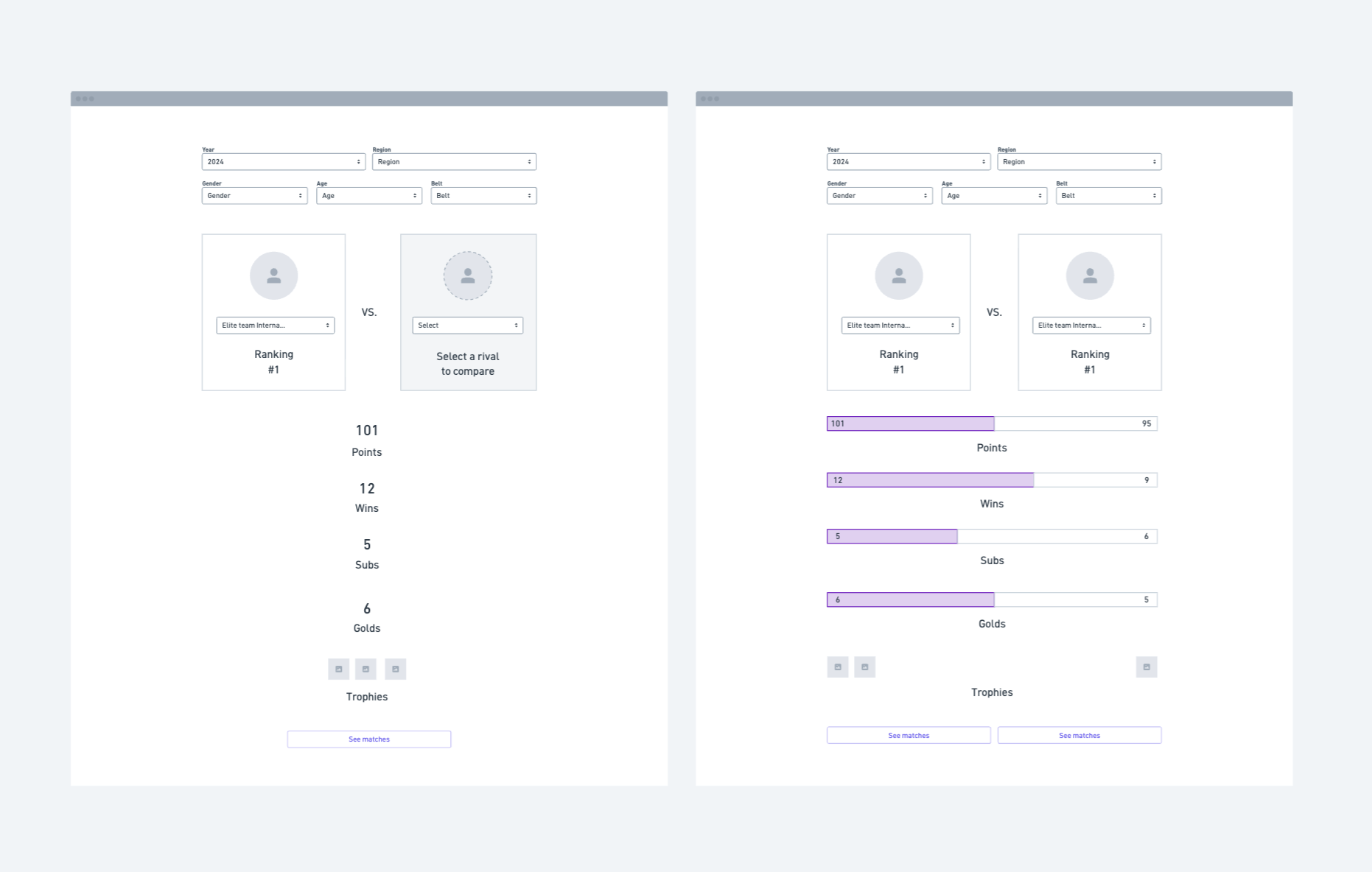
Academy Head-to-Head
An early concept explored direct player comparisons.
During stakeholder discussions, concerns emerged around encouraging excessive competition among younger athletes.
The concept evolved into:
- Academy versus academy comparisons.
- Community pride instead of individual pressure.
- Friendly competition between gyms.
- A healthier competitive environment.
This became one of the project's most interesting product decisions because it balanced engagement with community values.
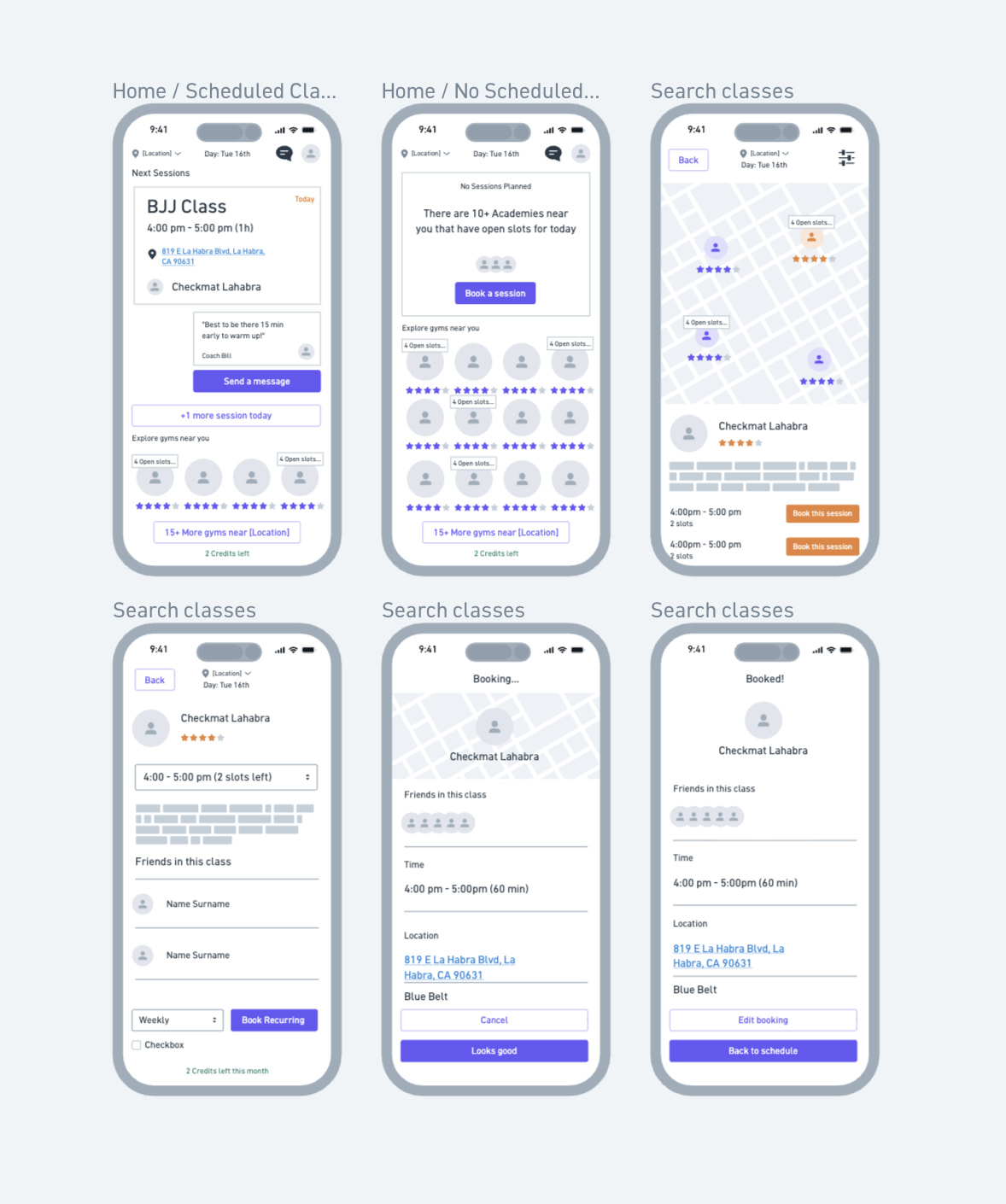
Flexible Membership Concept
We also explored a subscription model allowing players to train across participating academies.
The concept aimed to:
- Increase flexibility for players.
- Encourage cross-academy participation.
- Create additional value beyond tournaments.
- Explore future recurring revenue opportunities.
Although never implemented, it highlighted the complexity of balancing player needs with the business interests of independent academy owners.
My Role
I contributed across both UX and UI design throughout the project.
My responsibilities included:
- UX Strategy
- Product Concept Development
- Information Architecture
- User Flows
- Interaction Design
- High-Fidelity UI
- Design System Contributions
- Stakeholder Workshops
- Cross-functional Collaboration
Key Design Decisions
One of the biggest lessons from this project was realizing that effective gamification isn't created by adding points or badges.
It's created by reinforcing behaviours that already matter to people.
Every concept was designed to strengthen one or more existing motivations:
- Recognition.
- Progression.
- Identity.
- Belonging.
- Community.
- Healthy competition.
Rather than inventing new behaviours, we amplified the ones players already valued offline.
Constraints
Several constraints influenced the final concepts.
We needed to balance:
- Children, teenagers and adult competitors.
- Player motivation without excessive competition.
- Business opportunities without disrupting academy relationships.
- Community identity across hundreds of participating gyms.
- Scalability for future platform growth.
If Implemented, What Would We Measure?
Since these concepts remained at the design stage, no behavioural data was collected.
Success would likely be measured through:
- Repeat platform visits.
- Tournament registrations.
- Returning competitors.
- Achievement acquisition.
- Rush Card collection.
- Public profile completion.
- Membership adoption.
- Player retention throughout the season.
Reflection
This project fundamentally changed how I think about gamification.
I no longer see gamification as points, badges or rewards.
I see it as designing systems that reinforce meaningful behaviours.
My biggest takeaways were:
- Start with existing player motivations.
- Design for long-term engagement, not short-term interaction.
- Recognition can be as powerful as competition.
- Product decisions should balance player experience, business goals and community values.
- The strongest engagement systems feel like a natural extension of the community rather than artificial game mechanics.